
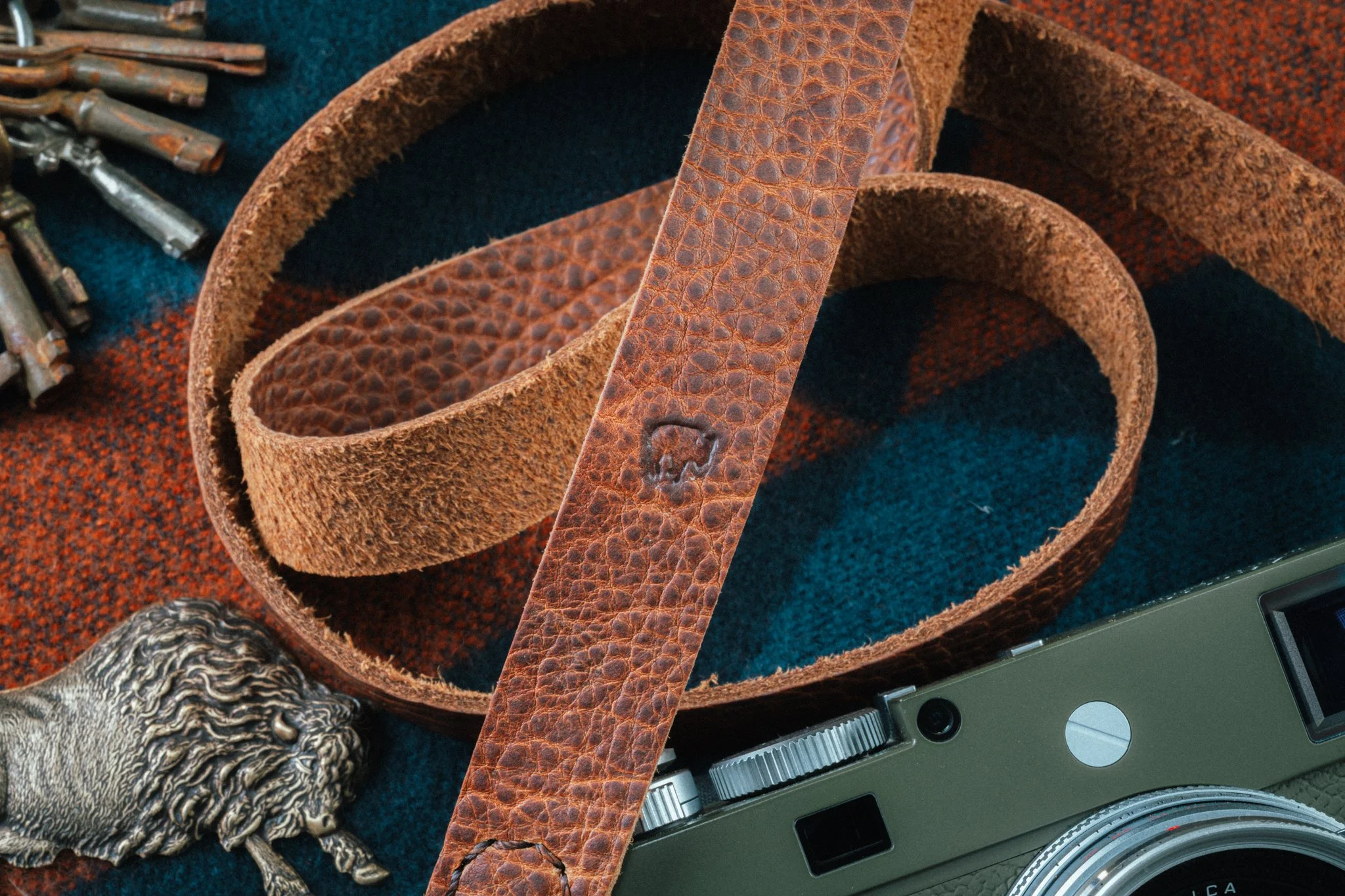
VERY GOOD GEAR
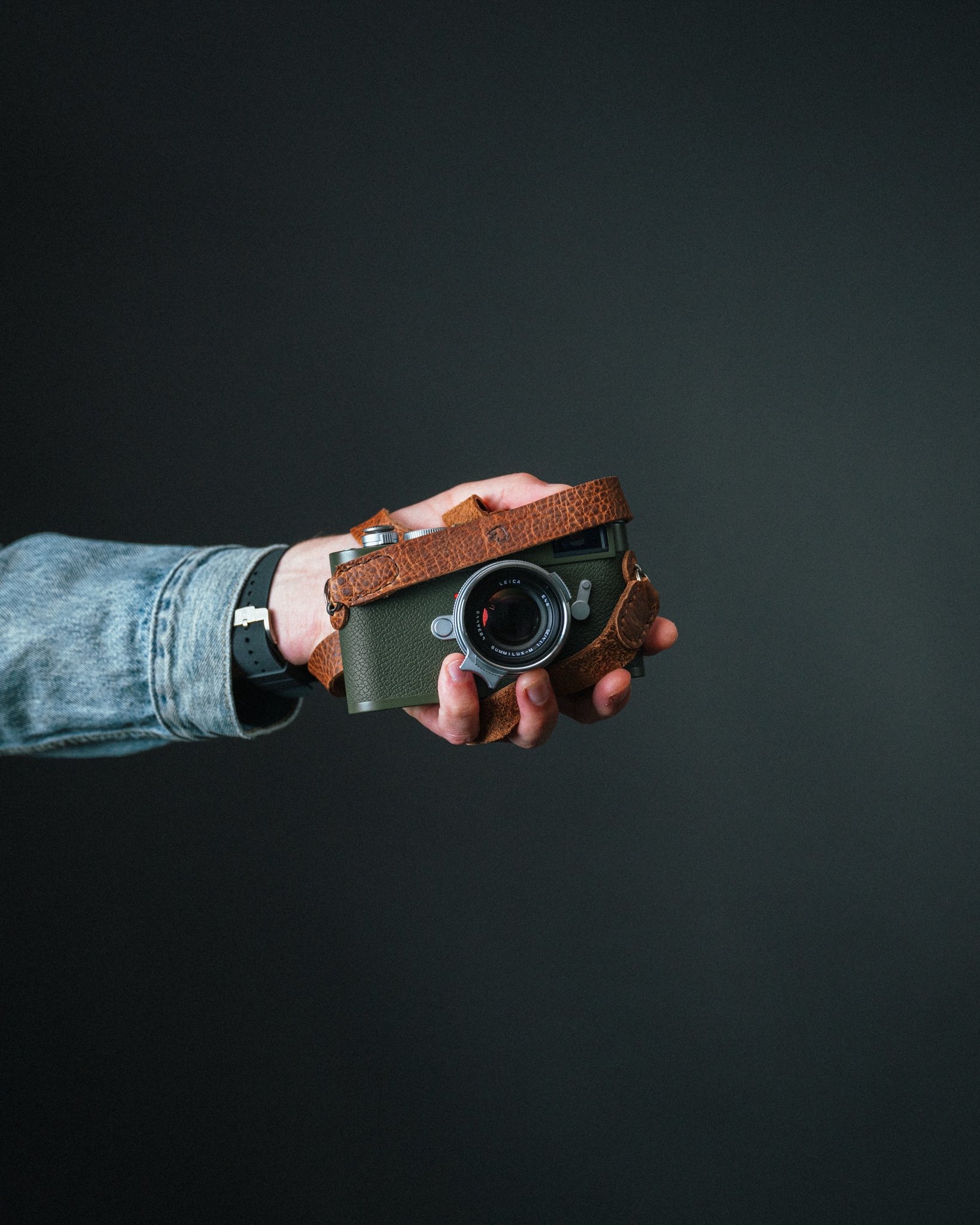
Introducing the VG STRAP
$129.00
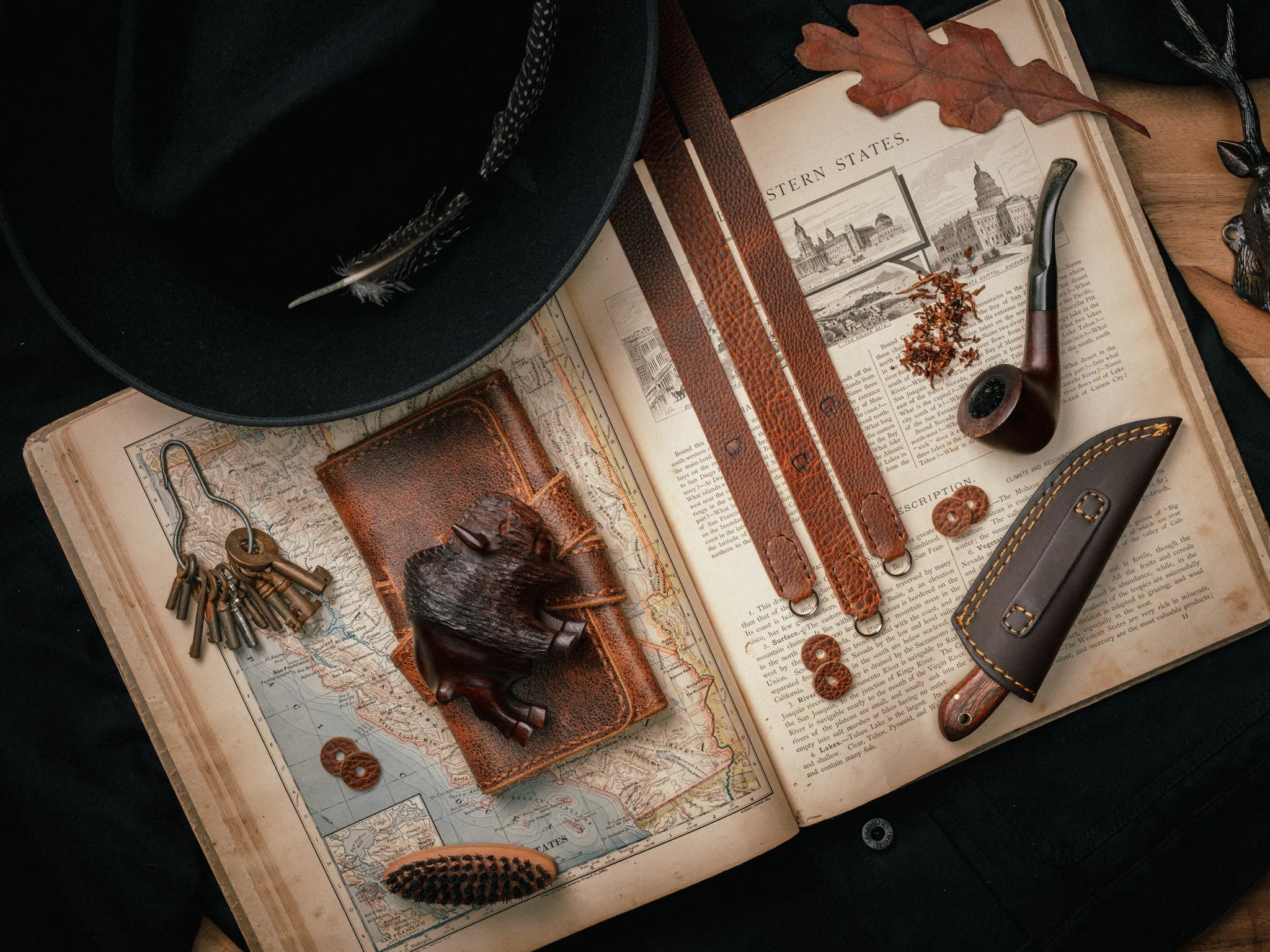
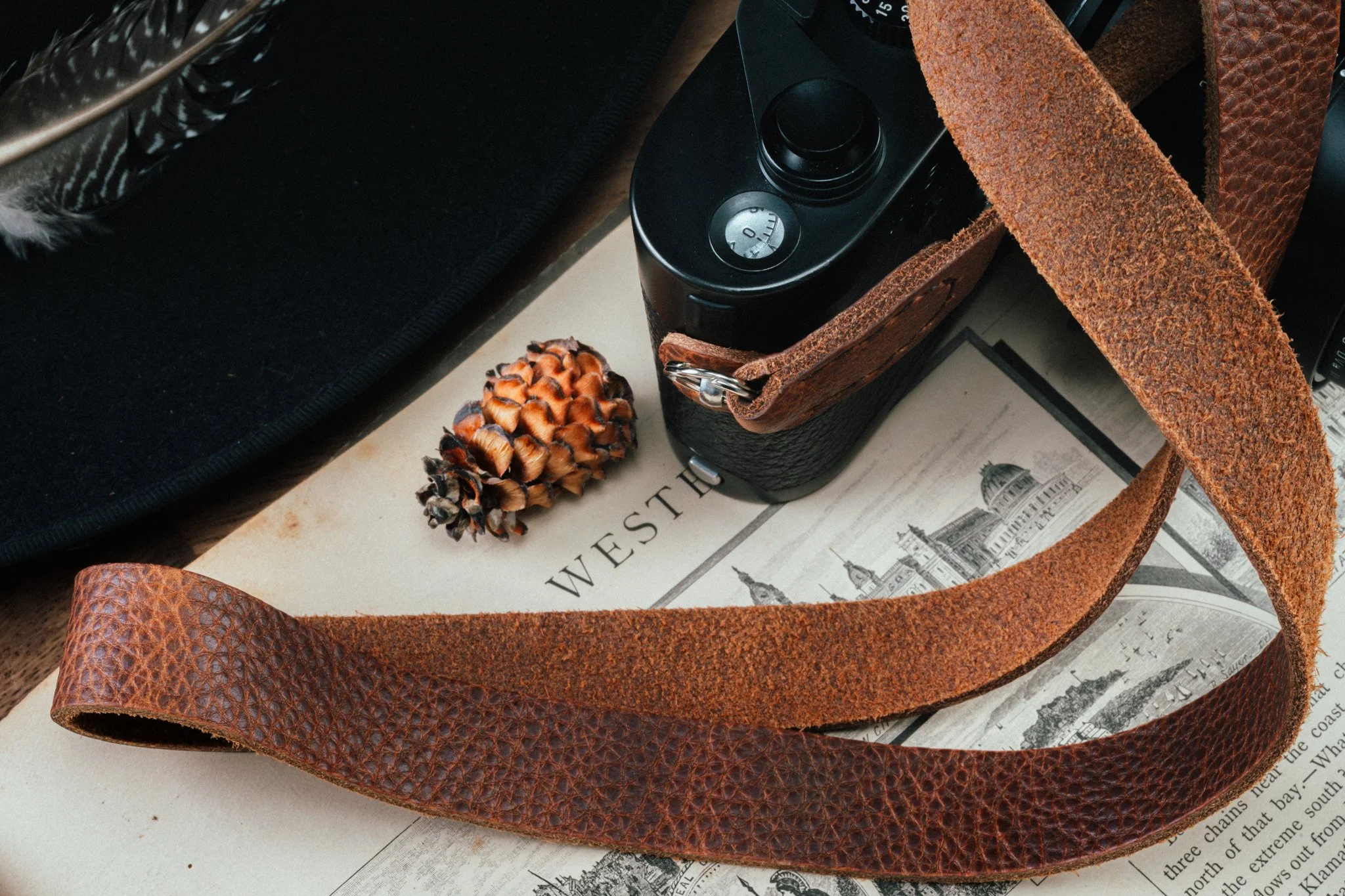
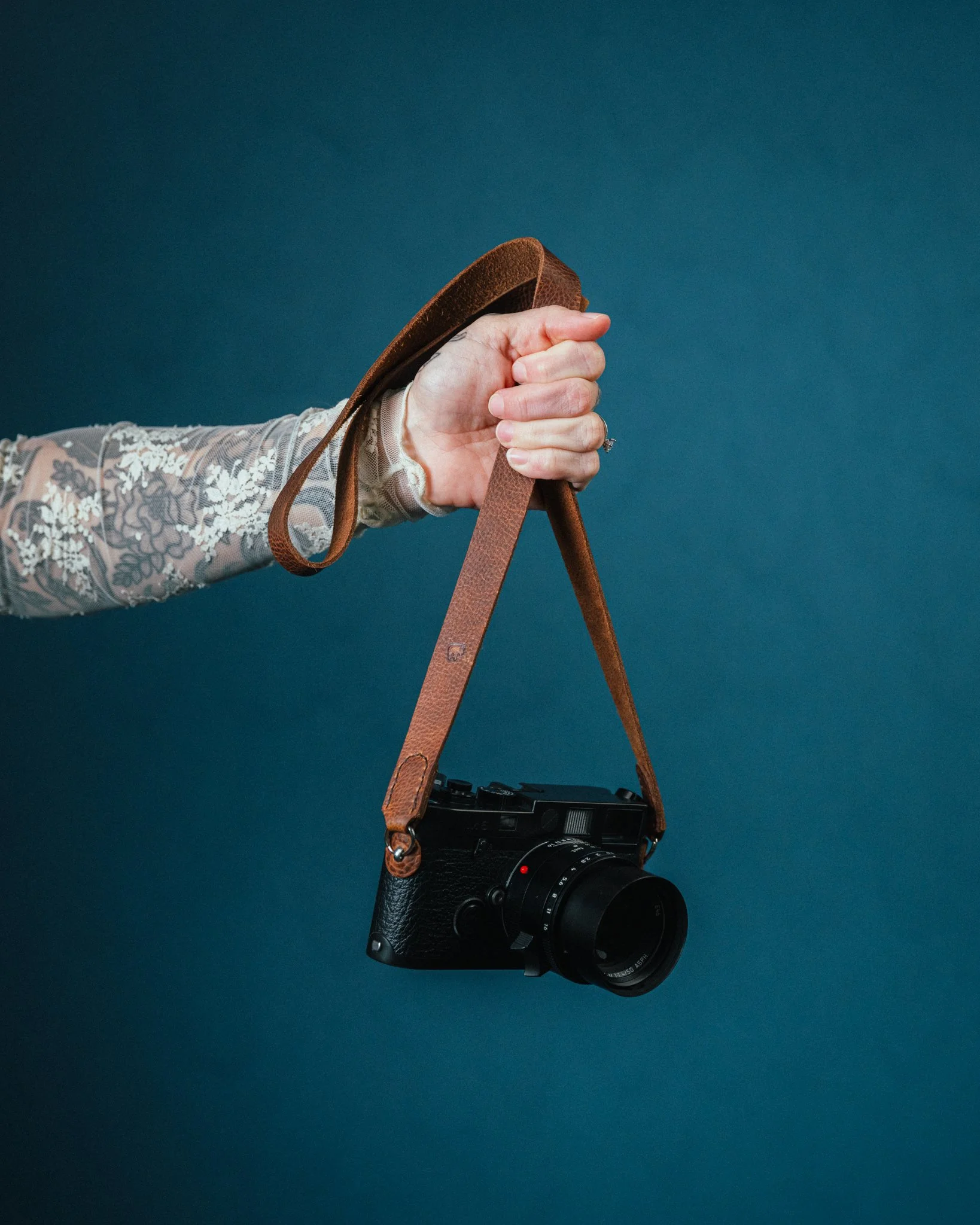
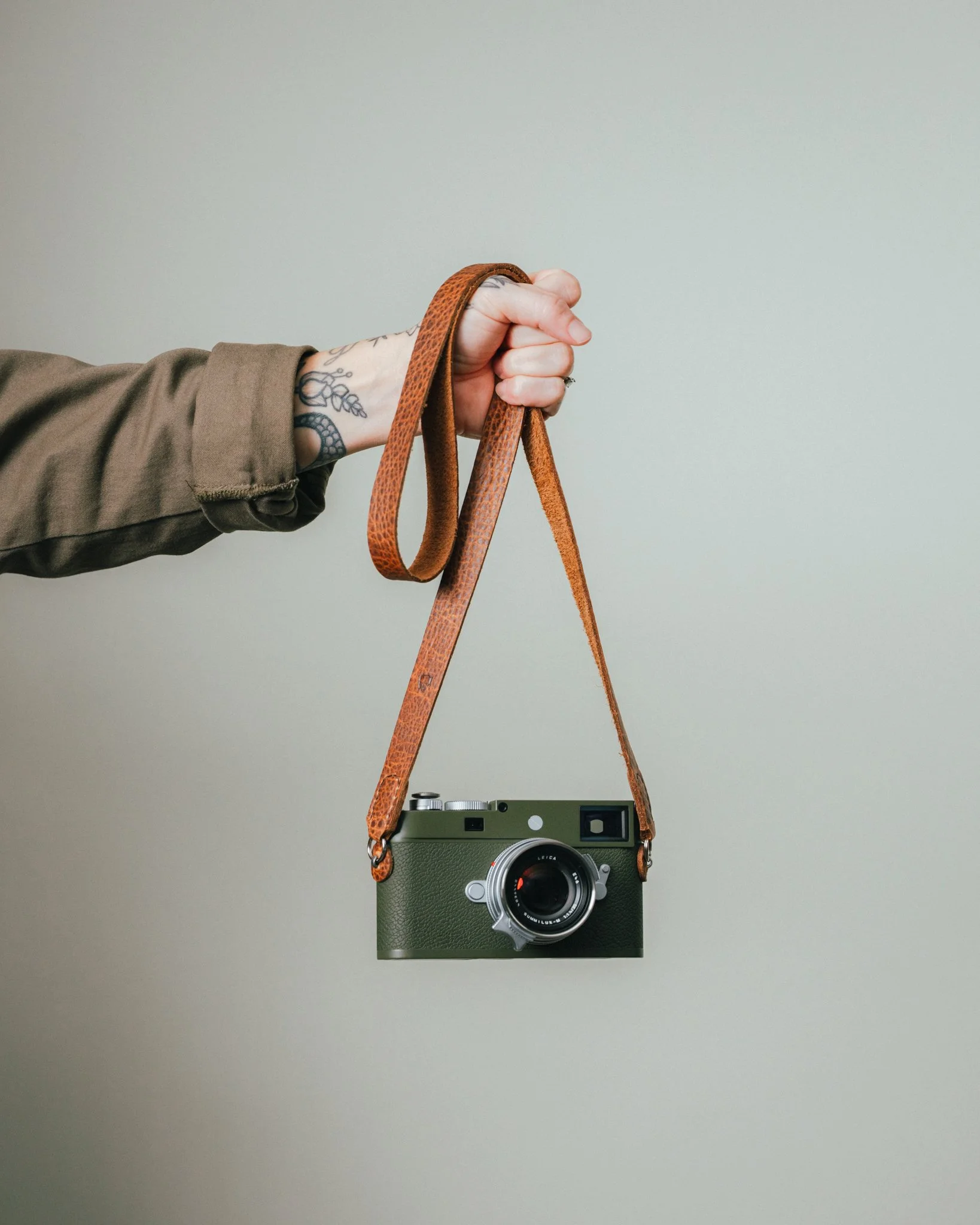
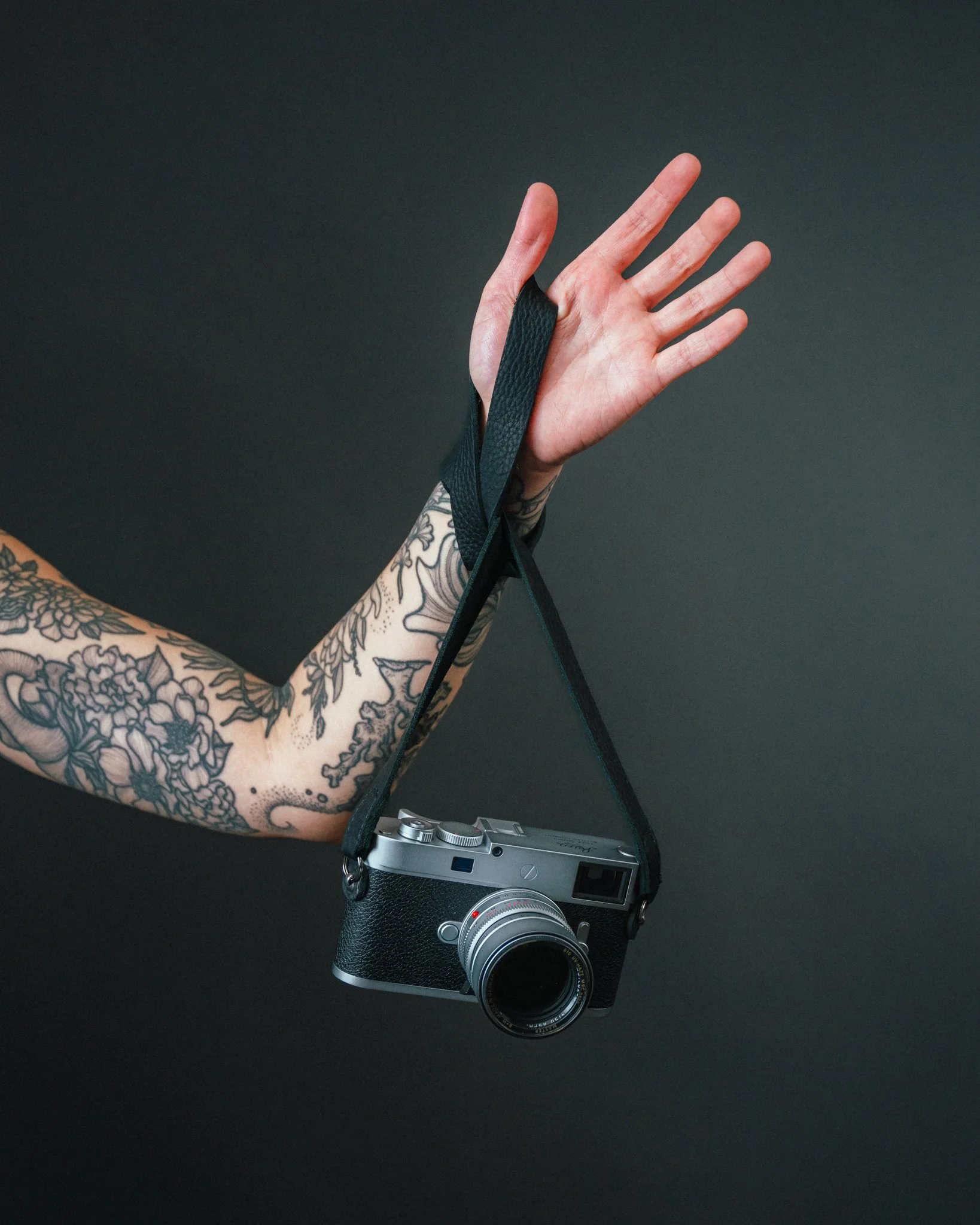
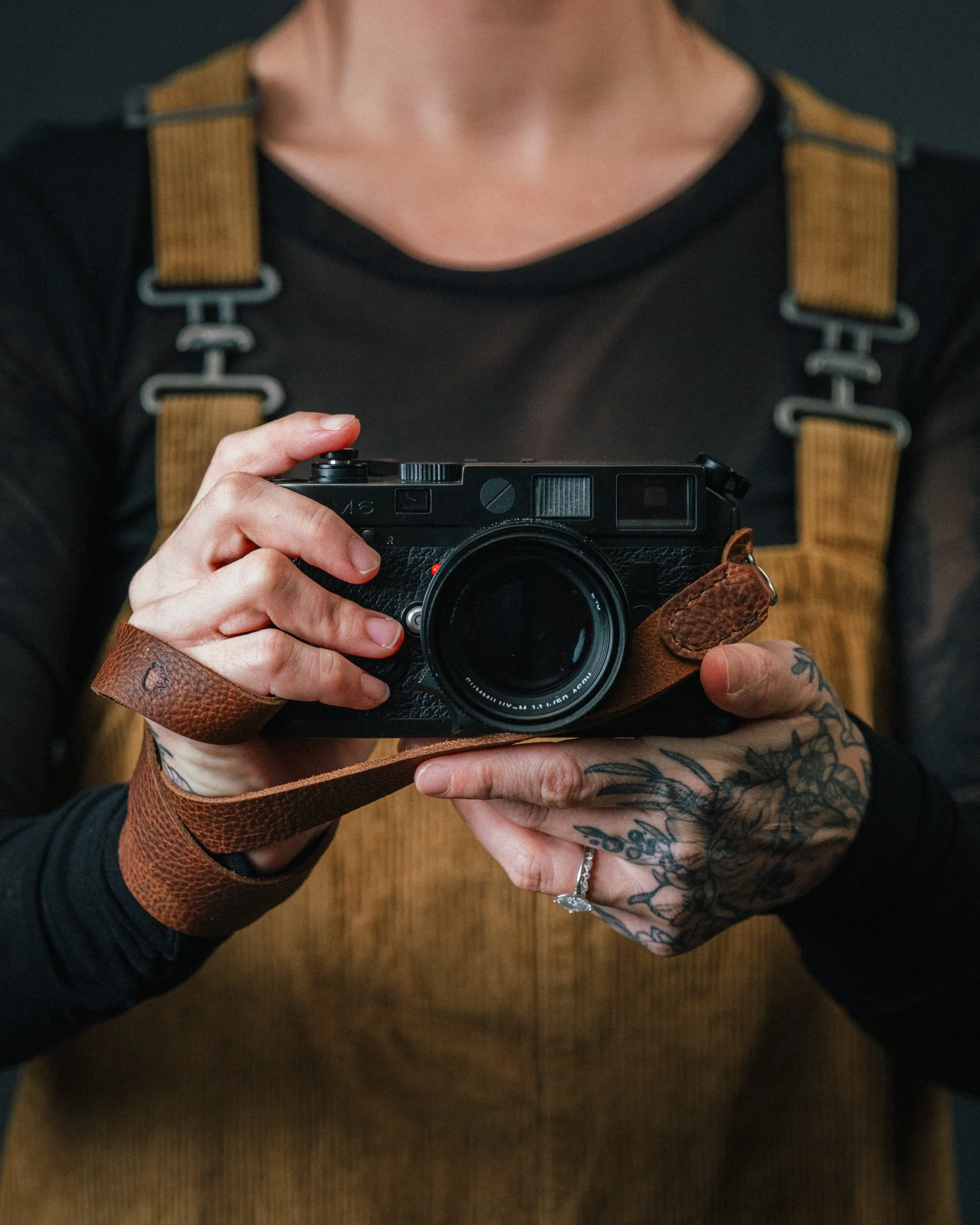
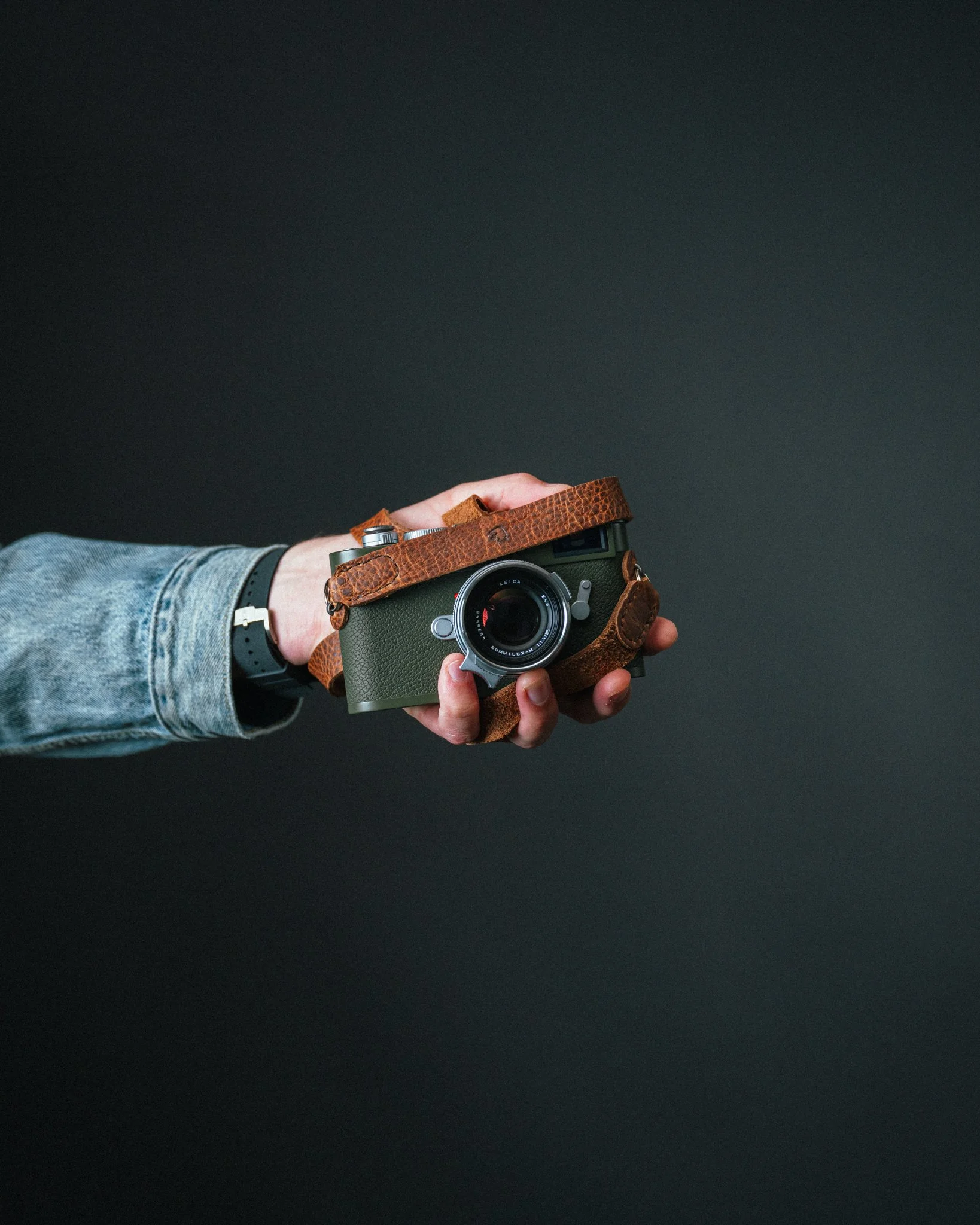
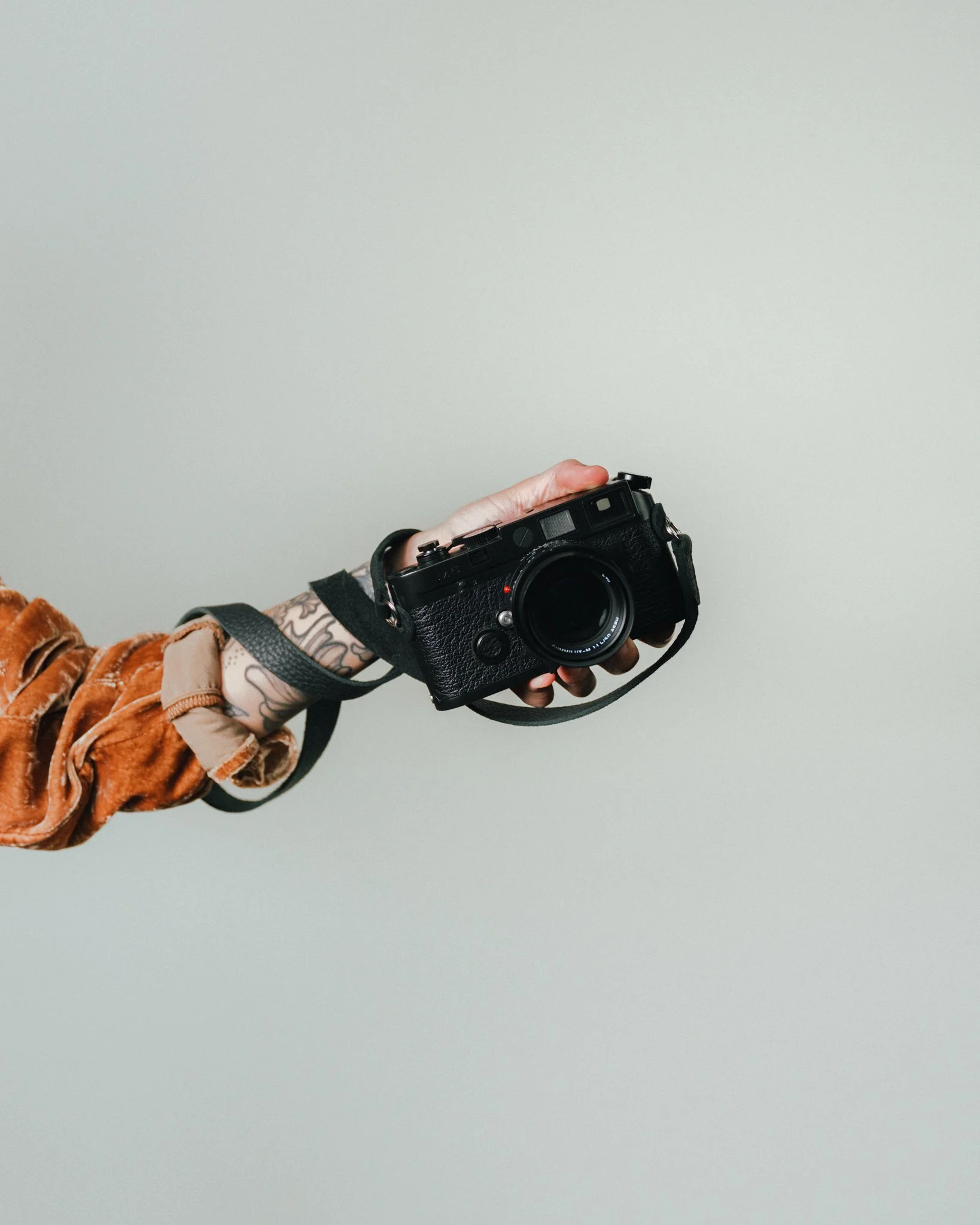
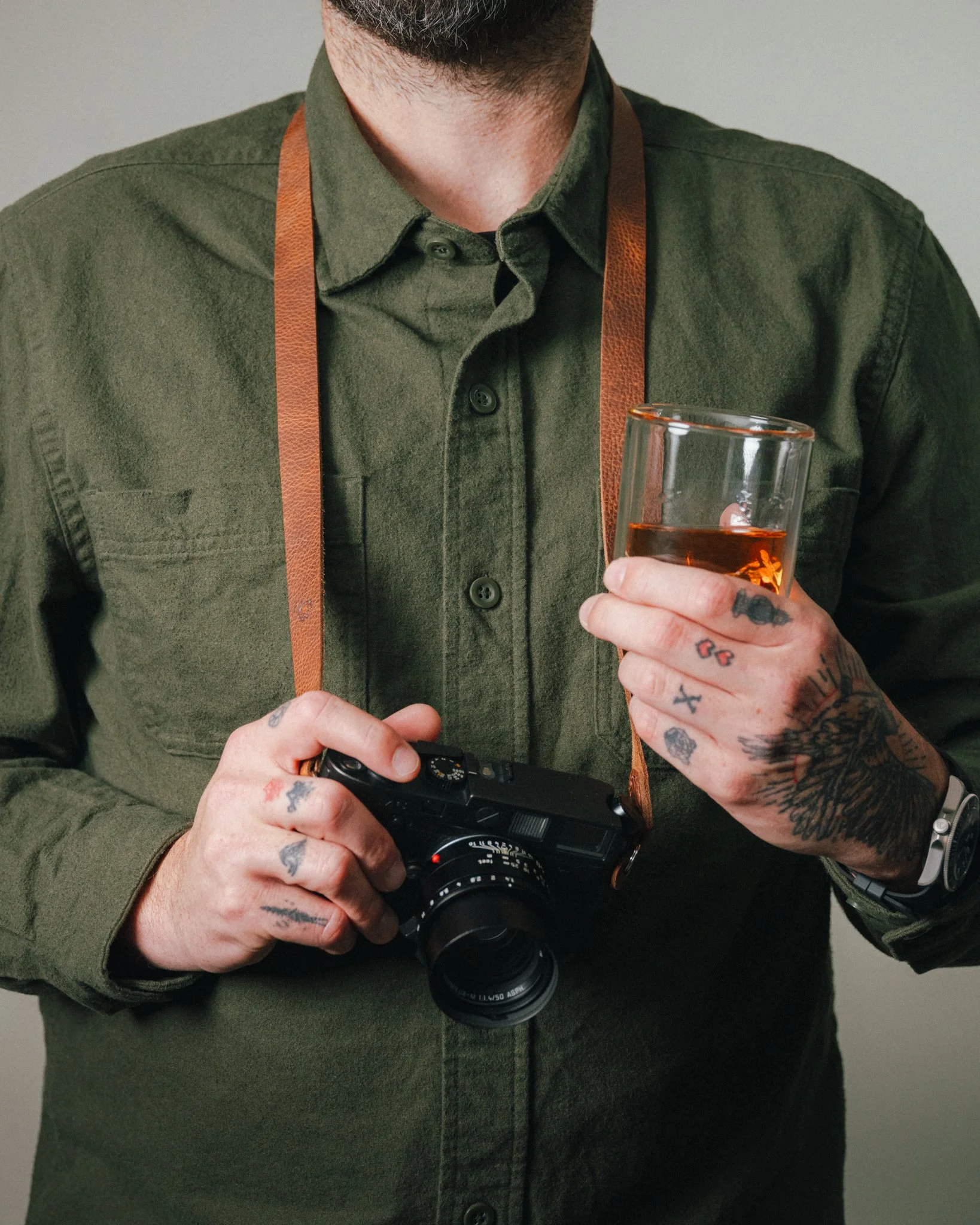
There is nothing quite like heritage that connects you to the land. This strap is soft from the start, shaped by wild range marks, and carrying the grit of an animal that has never been tamed. It wears in fast, gathering a personal patina that feels less like aging and more like identity. Sourced from Montana and hand stitched in Minnesota, the VG Strap is 100% made in America - born in the west and lives on world-wide.
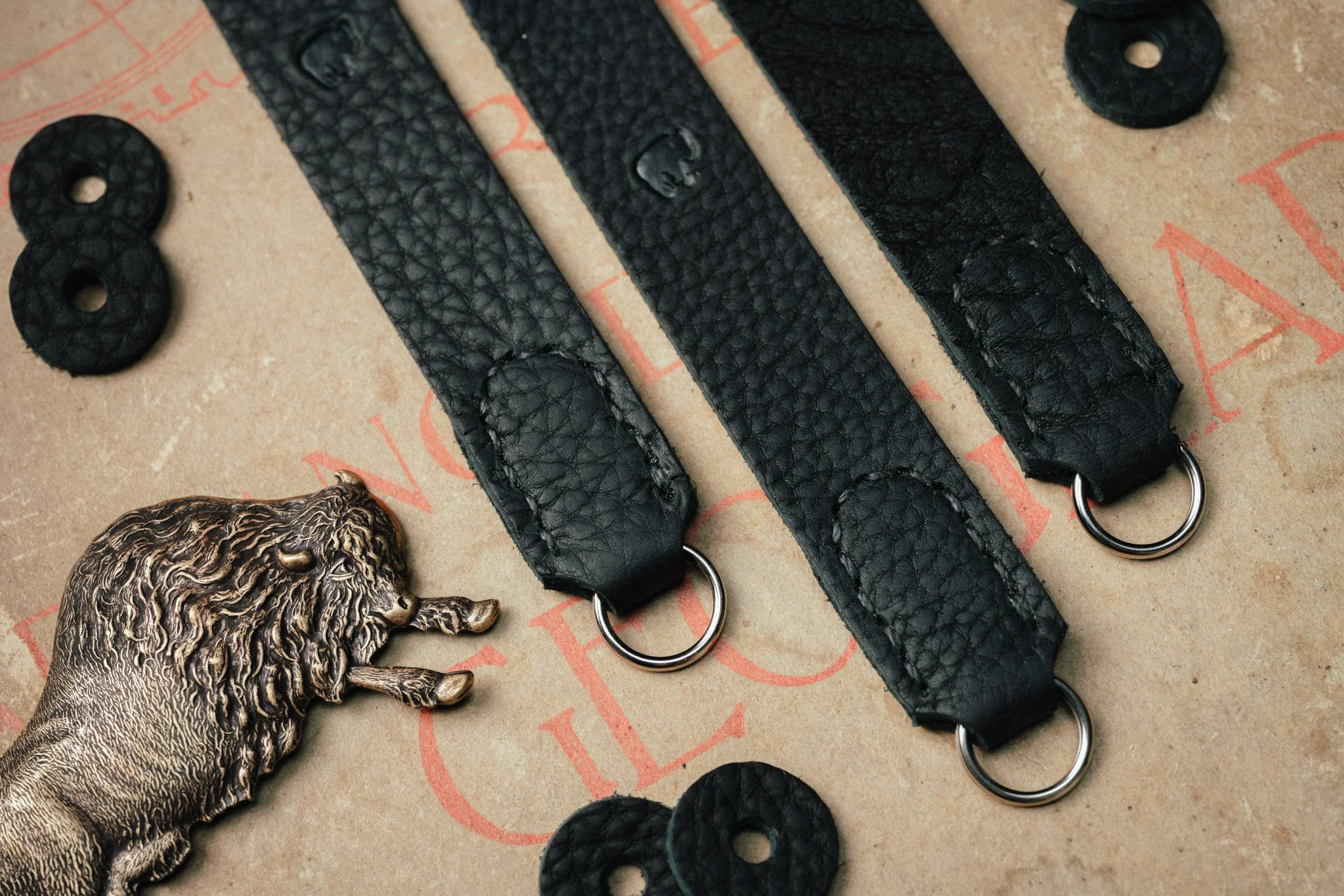
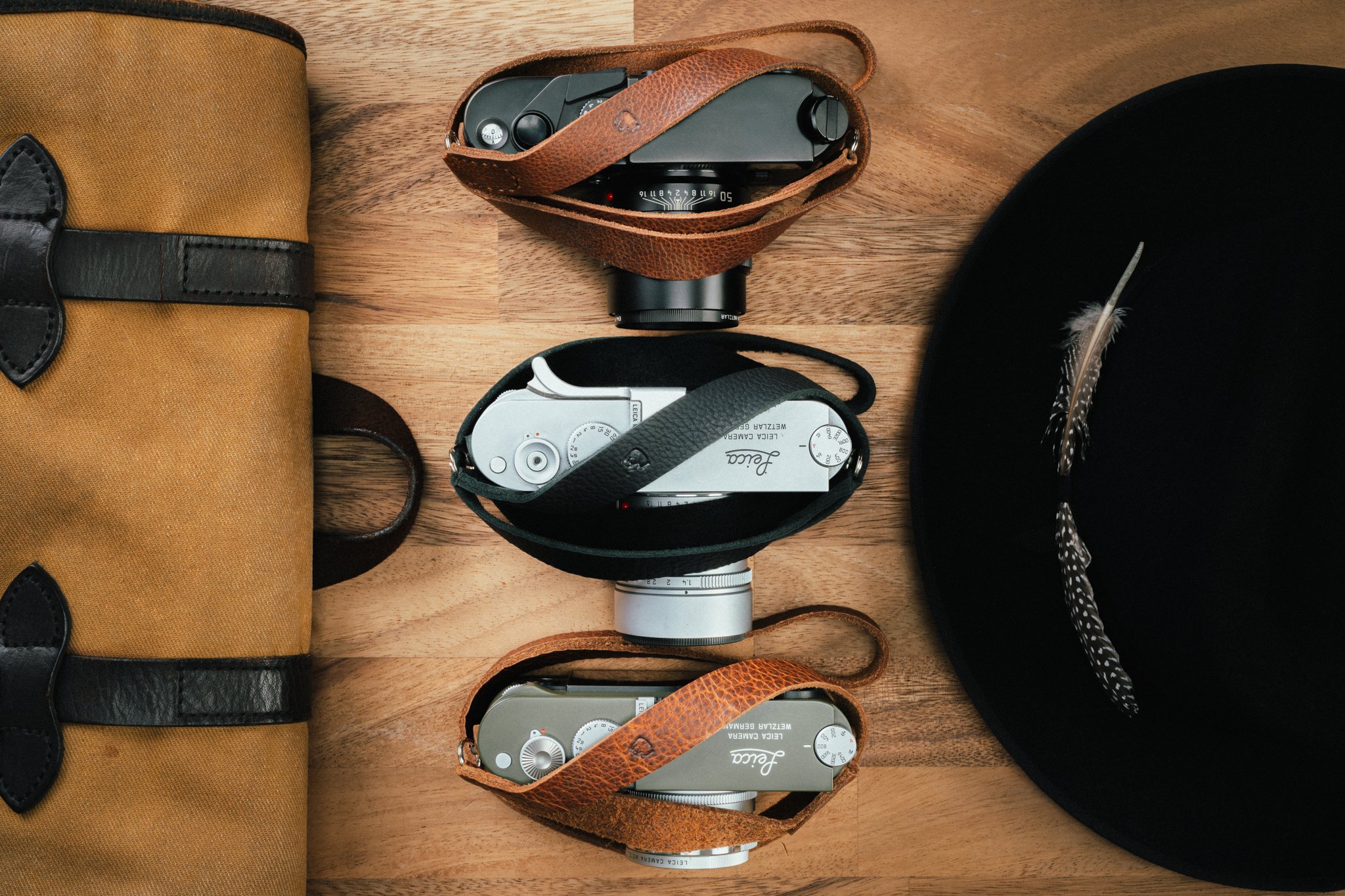
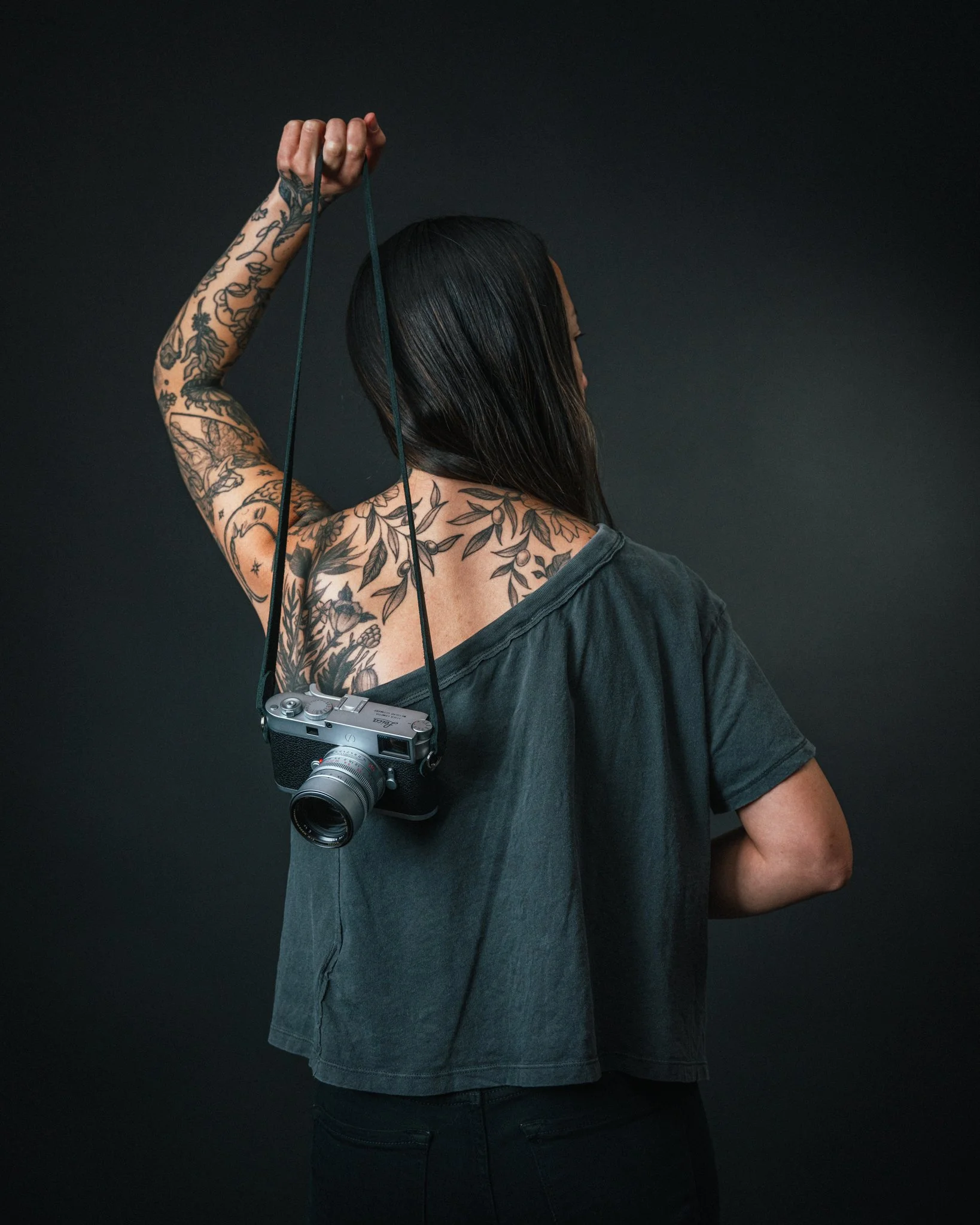
Available in Hayden Brown & Wolf Black.
Specs:
3/4” wide @ 5-6oz
28” (71cm) & 38” (96.5cm) straps
Nickel plated steel split rings made in the USA
Includes two leather split ring protectors
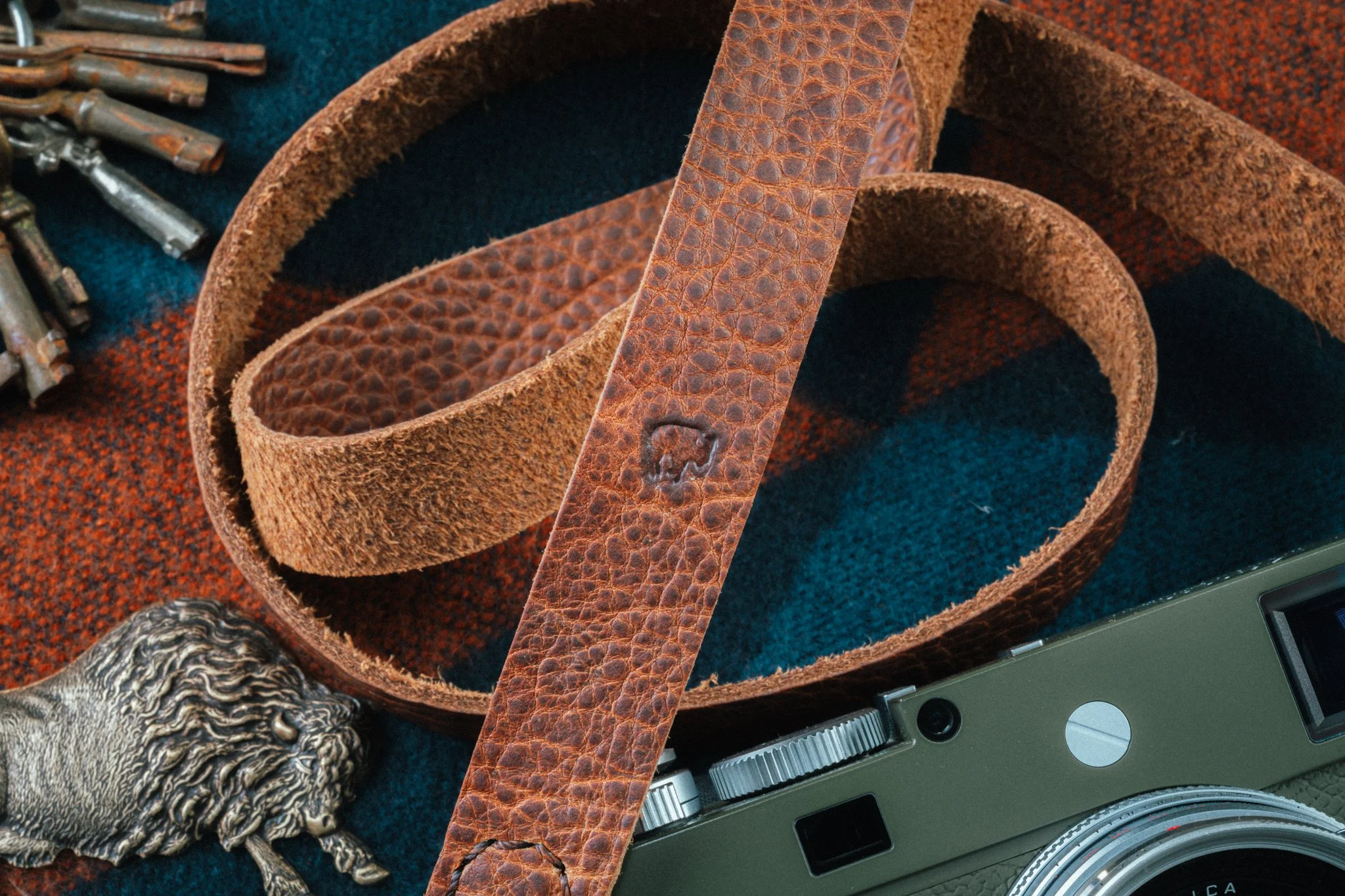
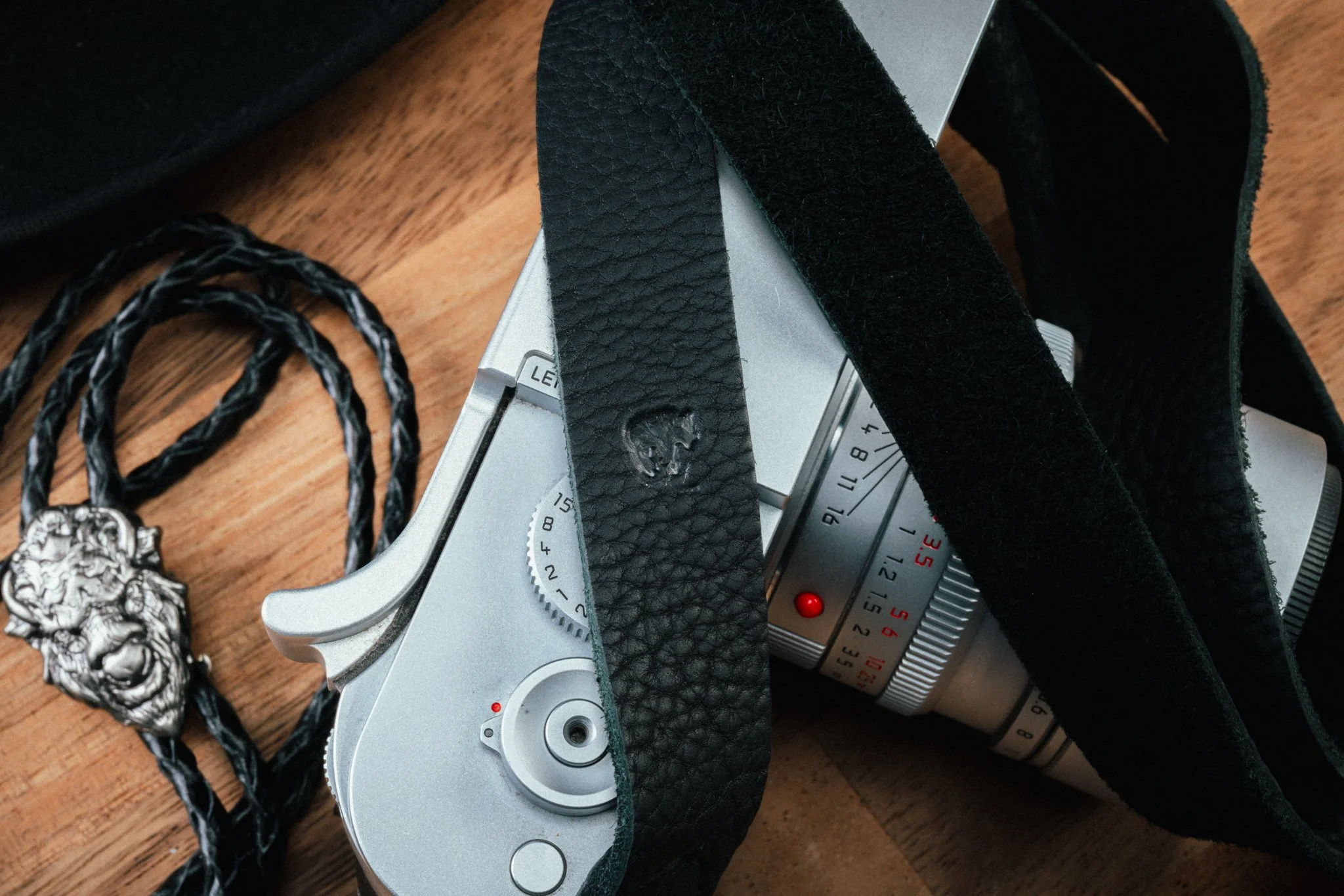
There is nothing quite like heritage that connects you to the land. This strap is soft from the start, shaped by wild range marks, and carrying the grit of an animal that have never been tamed. It wears in fast, gathering a personal patina that feels less like aging and more like identity. Sourced from Montana and hand stitched in Minnesota, the VG Strap is 100% made in America - born in the west and lives on world-wide.
The Very Good Camera Strap is available in Hayden Brown & Wolf Black.
Specs:
3/4” wide @ 5-6oz
28” (71cm) & 38” (96.5cm) straps
Nickel plated steel split rings made in the USA
Includes two leather split ring protectors
NOW SHIPPING WITHIN 1 BUSINESS DAY!
Understanding Bison Leather
You may have seen the phrase “buffalo leather” before. That is not bison. That is “water buffalo” from Asia. Water buffalo hides are more common, more plentiful, and are domesticated.
American bison on the other hand, are not domesticated. Their hides show natural range marks, deeper grain, and a wilder, more rugged look.
Some characteristics of bison leather hides and how it affects our straps:
They are inconsistent from edge to edge, producing a range of weight rather than a standard perfected cut. What this means is a hide could vary in thickness from edge to edge, resulting in our straps having a small range of thickness between 5-6oz. You’d only notice this if you bought several, which is fine by us!
The grain and texture of bison hides naturally vary from edge to edge. Unlike domesticated animals such as cattle or water buffalo, bison haven’t been selectively bred for uniformity. Their hides carry the same wild genetics as their ancestors, which creates noticeable differences in grain pattern, density, and texture. Every strap we cut is unique, ranging from tight, defined grain to broader, more open patterns. This is a true signature of the animal it came from. No two straps will ever be the same.
Bison leather is more veiny and oily than you may have experienced with cowhide. Because of this, your strap will be very soft and age very fast. A fold or crease will instantly show on your strap in the most beautiful patina. Due to the looser fibers of bison leather, your strap will stretch as well. You can expect it to gain 1-2” (2-5cm) during its first 90 days. Once it settles, it will no longer stretch. The loose fibers also make the flesh side rugged. Shedding is to be expected at first, but then it will stop.
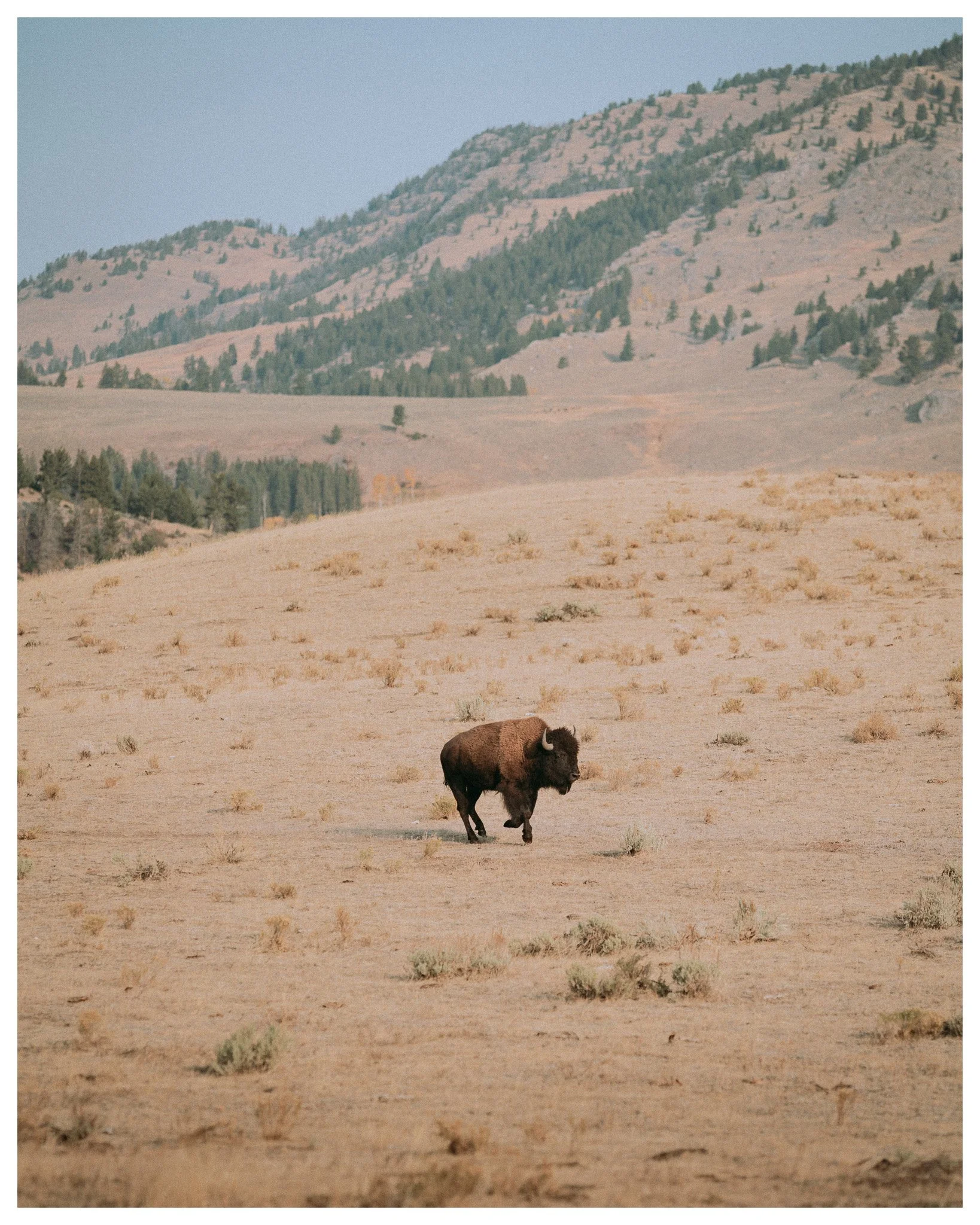
Lone bison in Lamar Valley. Dave Herring, 2020

FAQs
-
Absolutely. It’s strong, thick, and rugged. It has a resilience that makes it ideal for everyday carry.
-
Bison leather is naturally supple, so it feels broken-in right away without needing months of use.
-
Very quickly. As you use it, patina will show immediately, giving the strap a personal character based on your signature.
-
A range mark is a natural scar, scratch, or texture formed on the bison’s hide from life on the plains. It is not a defect, but part of the story that makes each strap unique.
-
Yes, bison leather has a looser fiber structure and will typically stretch 1–2" (2–5 cm) during the break-in period before settling.
-
The two included split ring protectors will slide right over the anchors on your camera body. They should be very snug at first, and may require a bit of stretching to first apply. This will create a perfect cushion to protect your camera body from the split rings.
-
Bison leather doesn’t need much maintenance. You may choose to condition it annually, or never. It probably won’t need it.
-
If you’re not happy with your strap and it hasn’t been used (meaning no signs of wear or patina), you’re welcome to send it back within 30 days for a refund. Return shipping is on you.
We fully stand behind our craftsmanship, and if your strap has a defect, we’ll replace it — no hesitation.
What counts as “used”?
A strap is considered used if it shows signs of wear — patina, creasing, stretching, or any marks from being attached to a camera. Because bison leather breaks in so quickly, even light use will be visible.
What qualifies as a defect?
A defect is something that impacts the function or integrity of the strap, such as failed stitching, structural flaws, or hardware issues. Natural variations like range marks, grain shifts, or color differences are normal and not considered defects.